
Master Practical Techniques for Mindful Eating - A Mindful Eating Habits Guide
Eating is something we all do every day, but how often do we truly experience our meals? I’ve found that embracing mindful eating can transform not just how I eat, but how I feel about food and myself. It’s not about strict diets or deprivation; it’s about reconnecting with the simple joy of nourishing our bodies. If you’ve ever wondered how to slow down, savor your meals, and listen to your body’s needs, you’re in the right place. Let’s explore practical ways to master mindful eating together.
Embracing the Mindful Eating Habits Guide
When I first started paying attention to my eating habits, I realized how often I ate on autopilot. Maybe you’ve been there too—eating while scrolling on your phone or rushing through meals between tasks. This guide is about breaking that cycle. Mindful eating invites us to pause, observe, and appreciate every bite.
Here’s what I’ve learned: mindful eating isn’t complicated. It’s about simple shifts that anyone can make. For example, try eating without distractions. Turn off the TV, put your phone away, and focus on your plate. Notice the colors, textures, and smells. This small change can make a huge difference in how satisfied you feel.
Another tip is to chew slowly and thoroughly. I like to count my chews or set my fork down between bites. This helps me tune into my hunger and fullness signals. Have you ever finished a meal and still felt hungry or, conversely, overeaten? Mindful eating helps prevent that by encouraging us to listen to our bodies.
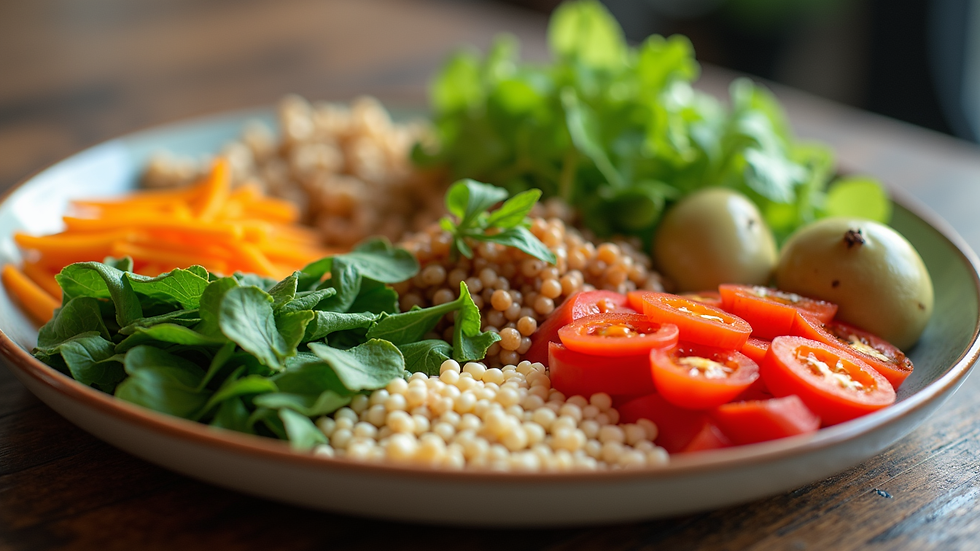
What are the 3 R's of mindful eating?
One of the most helpful frameworks I’ve come across is the 3 R’s of mindful eating: Recognize, Reflect, and Respond. These steps guide us to be more intentional with our food choices and eating behaviors.
Recognize: This means becoming aware of your hunger and fullness cues. Before eating, ask yourself, “Am I truly hungry or just eating out of habit or emotion?” Recognizing these signals helps prevent mindless snacking or overeating.
Reflect: Take a moment to think about why you want to eat. Is it for nourishment, comfort, boredom, or stress relief? Reflecting on your motivations can reveal patterns and help you make conscious choices.
Respond: Based on your recognition and reflection, respond with kindness and intention. Choose foods that satisfy both your body and soul. If you’re stressed, maybe a walk or deep breathing is a better response than reaching for a sugary snack.
I find that practicing the 3 R’s regularly builds a compassionate relationship with food. It’s not about perfection but progress. How might you apply these steps the next time you feel the urge to eat?
Practical Steps to Incorporate Mindful Eating Techniques
Now, let’s get into some actionable tips that have worked well for me and many others on this journey. These practical steps can be woven into your daily routine without feeling overwhelming.
Set the Scene
Create a calm eating environment. Light a candle, play soft music, or simply sit at a table without distractions. This signals to your brain that it’s time to focus on nourishment.
Engage Your Senses
Before you take a bite, look at your food closely. Notice the colors and shapes. Smell the aroma. Feel the texture with your fingers if appropriate. This sensory engagement deepens your connection to the meal.
Eat Slowly
Put your fork down between bites. Chew thoroughly. This not only aids digestion but also gives your brain time to register fullness.
Check In With Your Body
Pause halfway through your meal and ask yourself how hungry you still feel. This helps prevent overeating and encourages listening to your body’s signals.
Practice Gratitude
Take a moment to appreciate the effort that went into your meal—from the farmers to the cook. Gratitude can enhance satisfaction and reduce cravings.
Avoid Multitasking
Try to eat without distractions like TV, phones, or work. This allows you to fully experience your food and notice when you’re satisfied.
Plan Mindful Meals
When possible, prepare meals that you enjoy and that nourish you. Cooking can be a mindful activity in itself, connecting you to the ingredients and the process.
Remember, these steps are not rules but invitations. You might find some easier than others, and that’s perfectly okay. The goal is to cultivate awareness and kindness toward yourself and your eating habits.

How Mindful Eating Supports Long-Term Wellness
Why does mindful eating matter beyond the meal itself? From my experience, it’s a powerful tool for overall well-being. When we eat mindfully, we tend to make healthier choices naturally. We become more attuned to what our bodies truly need, which can lead to better digestion, improved energy, and even emotional balance.
Mindful eating also reduces stress around food. Instead of guilt or anxiety, we cultivate curiosity and acceptance. This shift can be especially empowering for those who have struggled with restrictive diets or emotional eating.
Moreover, mindful eating aligns beautifully with a holistic approach to health that includes mind, body, and even finances. By choosing nourishing foods and savoring them, we often waste less and spend more thoughtfully. This supports a sustainable lifestyle that benefits our health and our wallets.
Have you noticed how your mood or energy changes after different meals? Paying attention to these patterns can guide you toward foods that truly support your vitality.
Encouragement for Your Mindful Eating Journey
Starting something new can feel daunting, but remember, every small step counts. You don’t have to overhaul your entire eating routine overnight. Maybe begin with one mindful meal a day or even one mindful bite. Celebrate these moments of awareness.
If you stumble or find yourself distracted, gently bring your focus back without judgment. Mindful eating is a practice, not a perfect performance. It’s about being present and kind to yourself.
I encourage you to explore more about mindful eating techniques and find what resonates with you. Your journey toward mindful eating is uniquely yours, and it’s a beautiful way to nurture your health, happiness, and peace of mind.
What small change will you try today to bring more mindfulness to your meals? I’d love to hear about your experiences and discoveries as you embrace this path.
By weaving mindful eating into your daily life, you’re not just changing how you eat—you’re transforming your relationship with food and yourself. This mindful eating habits guide is here to support you every step of the way. Here’s to savoring every bite and every moment with intention and joy.

$50
Product Title
Product Details goes here with the simple product description and more information can be seen by clicking the see more button. Product Details goes here with the simple product description and more information can be seen by clicking the see more button

$50
Product Title
Product Details goes here with the simple product description and more information can be seen by clicking the see more button. Product Details goes here with the simple product description and more information can be seen by clicking the see more button.
$50
Product Title
Product Details goes here with the simple product description and more information can be seen by clicking the see more button. Product Details goes here with the simple product description and more information can be seen by clicking the see more button.


Comments